Nonionic surfactants are an essential class of surface-active agents widely used across textile processing, laundry detergents, industrial cleaning, and personal care formulations due to their unique charge-free formulation flexibility.
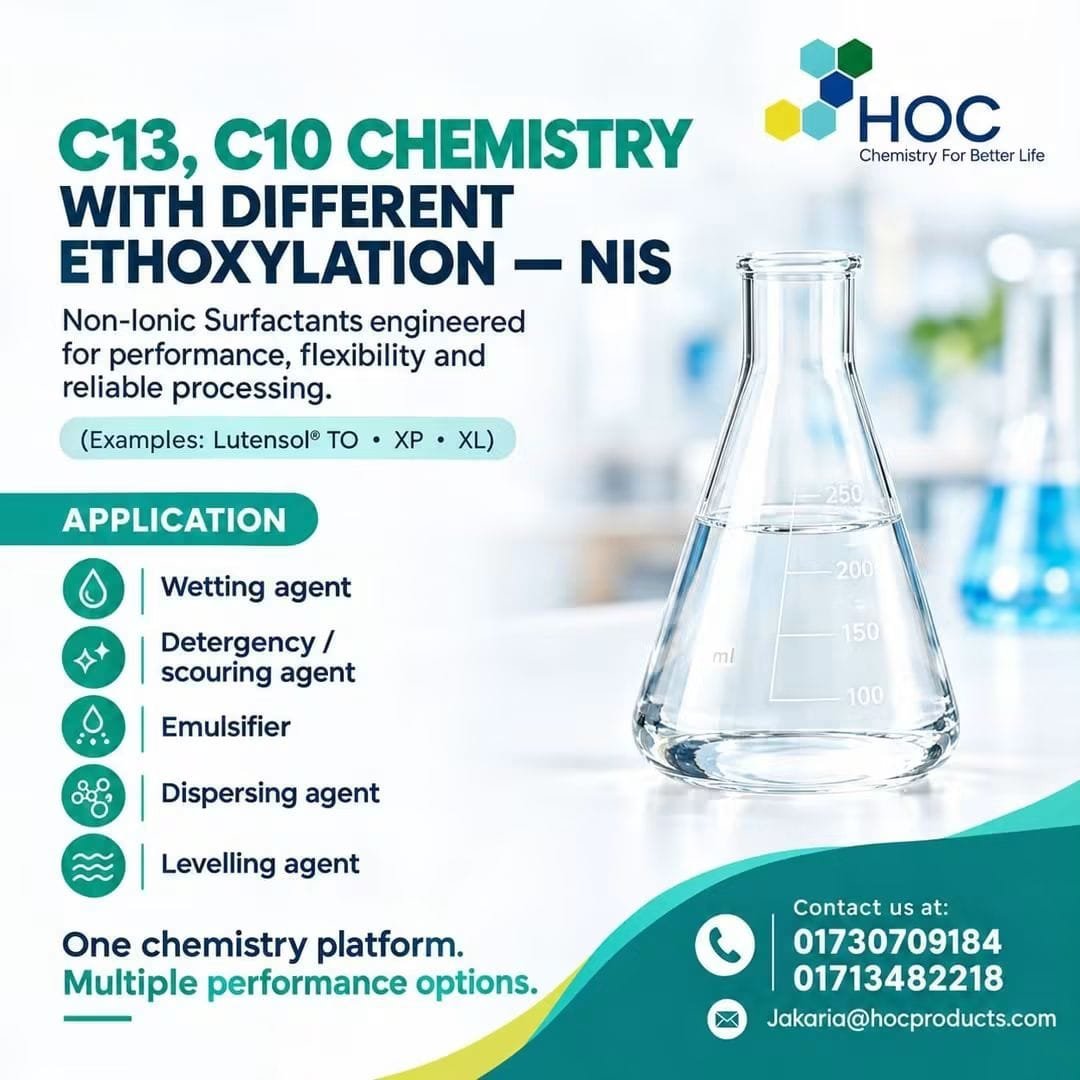
Figure 1.1: Molecular structure, hydrophobic-hydrophilic balance (HLB), and micelle formation of nonionic surfactants.
Download InfographicIntroduction to Nonionic Surfactants
Nonionic surfactants are an important class of surface-active agents widely used in textile processing, laundry detergents, dishwashing liquids, hard-surface cleaners, industrial cleaning and personal care formulations. Unlike anionic and cationic surfactants, nonionic surfactants do not carry a formal electrical charge on their hydrophilic group under normal application conditions. This characteristic provides useful formulation flexibility, particularly in systems containing electrolytes, water hardness ions and other surfactants.
Their ability to reduce surface and interfacial tension, improve wetting, emulsify oils, disperse soils and support detergency makes them essential ingredients in modern textile auxiliaries and cleaning chemicals. Their actual performance depends on molecular structure, hydrophilic–lipophilic balance (HLB), temperature, concentration, pH and the surrounding formulation.
Chemistry and Working Mechanism of Nonionic Surfactants
A nonionic surfactant typically contains two functional regions: a hydrophobic portion, which has an affinity for oils and other nonpolar substances, and a hydrophilic portion, which interacts with water. Common chemical families include alcohol ethoxylates, alkyl polyglucosides (APGs), fatty acid ethoxylates, ethoxylated sorbitan esters and selected ethylene oxide–propylene oxide (EO/PO) block copolymers.
When added to water, surfactant molecules migrate to interfaces such as water–air, water–fabric and water–oil, reducing interfacial tension and improving contact between the liquid and the target surface. Above a structure- and condition-dependent concentration, many nonionic surfactants form micelles. These aggregates can incorporate oily soil into their hydrophobic regions, helping remove and disperse contaminants during washing.
The HLB value provides a useful indication of the relative hydrophilic and lipophilic character of a surfactant. Lower-HLB grades are generally more suited to water-in-oil emulsification, while higher-HLB grades are commonly used for oil-in-water emulsification and aqueous detergency. HLB is a selection guide rather than a complete predictor of performance; experimental testing remains essential.
Role of Nonionic Surfactants in Textile Auxiliaries
1. Wetting and Penetration
In textile pretreatment, nonionic surfactants improve the wetting of cotton, polyester and blended fabrics by helping processing liquor spread across and penetrate the textile structure. Improved wetting supports more uniform contact between the fabric and the treatment chemicals.
2. Scouring and Oil Removal
During textile scouring, nonionic surfactants help emulsify natural oils, waxes, spinning lubricants and processing residues. This assists soil removal and can improve fabric absorbency, preparing the substrate for subsequent bleaching, dyeing, printing or finishing.
3. Dyeing and Leveling
Selected nonionic surfactants are used in dyeing auxiliaries to improve wetting, disperse certain oily contaminants and support uniform liquor contact. Depending on their molecular structure and compatibility, they may contribute to leveling and process consistency. They should not automatically be considered universal leveling agents because dye chemistry, fibre type and dyeing conditions strongly influence performance.
4. Textile Washing and After-Treatment
Nonionic surfactants help remove residual oils, unfixed contaminants and processing auxiliaries during washing. Suitable grades can also be incorporated into low-foam formulations for machine-based textile processing, where excessive foam may interfere with circulation, pumping and liquor control.
5. Selection for Textile Processes
The choice of surfactant should consider fibre type, process temperature, electrolyte concentration, required foam profile, compatibility with dyes and other auxiliaries, and the risk of clouding or phase separation. For high-temperature dyeing, the temperature-dependent behaviour of the surfactant is particularly important.
Applications of Nonionic Surfactants in Cleaning Products
1. Laundry Detergents
Nonionic surfactants are effective at removing oily and greasy soils from fabrics. They complement anionic surfactants such as linear alkylbenzene sulfonate (LAS) and sodium laureth sulfate (SLES), improving soil removal and broadening the detergent's cleaning profile. Their performance depends on the detergent system, water hardness, wash temperature and soil type.
2. Dishwashing Liquids
In manual dishwashing formulations, suitable nonionic surfactants support grease emulsification, wetting and soil removal. They are often combined with anionic surfactants to balance cleaning performance, foam, rinsability and formulation stability.
3. Hard-Surface and Industrial Cleaners
Nonionic surfactants are widely used in floor cleaners, kitchen degreasers, equipment cleaners and institutional cleaning products. Appropriate grades help wet surfaces, loosen oily contamination and keep removed soils dispersed in the cleaning solution. Low-foam nonionic surfactants are particularly useful in scrubber-dryer machines and selected spray-cleaning systems.
4. Automatic Dishwashing Products
Low-foaming nonionic surfactants are commonly used as rinse aids and in selected automatic dishwashing formulations. They promote wetting and water drainage from glassware and utensils, helping reduce spotting and filming. High-foaming grades are generally unsuitable for automatic dishwashers.
5. Personal Care Formulations
Selected nonionic surfactants, including alkyl polyglucosides and ethoxylated derivatives, are used in compatible shampoos, body washes, facial cleansers and solubilizing systems. Selection requires attention to mildness, active matter, skin compatibility, preservation and applicable regulatory requirements.
Advantages and Formulation Considerations
Nonionic surfactants offer several formulation advantages: no formal ionic charge, versatile wetting and emulsification performance, compatibility with many anionic and cationic surfactants, and the availability of grades with different foam and temperature profiles. However, compatibility is not universal, and nonionic surfactants can still be affected by salts, solvents, temperature and other formulation ingredients.
Ethoxylated nonionic surfactants may exhibit a cloud point, above which reduced hydration can cause clouding or phase separation in aqueous systems. Formulators should evaluate cloud point, foam behaviour, wetting time, detergency, emulsion stability and storage stability under actual application conditions. Environmental performance, biodegradability and regulatory suitability must also be assessed for the specific chemical and grade rather than assumed for the entire nonionic surfactant family.
How to Select the Right Nonionic Surfactant
The correct nonionic surfactant depends on the intended application. Textile pretreatment may require strong wetting and oil emulsification, while high-temperature dyeing may demand suitable thermal stability and controlled foam. Laundry detergents typically require a balance of oily-soil removal and compatibility with other detergent ingredients. Industrial machine cleaners and automatic dishwashing products generally require carefully controlled low-foam performance.
For effective product development, formulators should assess the surfactant's chemical type, HLB, active matter, cloud point, foam profile, recommended dosage and compatibility with the complete formulation. Laboratory trials under realistic process conditions are the most reliable way to confirm performance.
HOC Products: Specialty Chemical Solutions
HOC Products supports customers in Bangladesh with chemical raw materials and application-focused product selection for textile auxiliaries, detergents, household cleaning and industrial cleaning formulations. The right grade, selected according to process requirements and validated through application testing, can contribute to consistent product quality and efficient industrial performance.
SEO Keywords:
Nonionic surfactants, nonionic surfactant applications, nonionic surfactants in textile industry, textile auxiliary chemicals, textile wetting agents, textile scouring agents, textile emulsifiers, nonionic surfactants in detergents, laundry detergent raw materials, dishwashing liquid ingredients, industrial cleaning chemicals, low-foam surfactants, alcohol ethoxylates, alkyl polyglucosides, HOC Products.