Ethylenediaminetetraacetic acid (EDTA) is a widely used aminopolycarboxylate chelating agent that binds metal ions to form stable coordination complexes in industrial formulations.
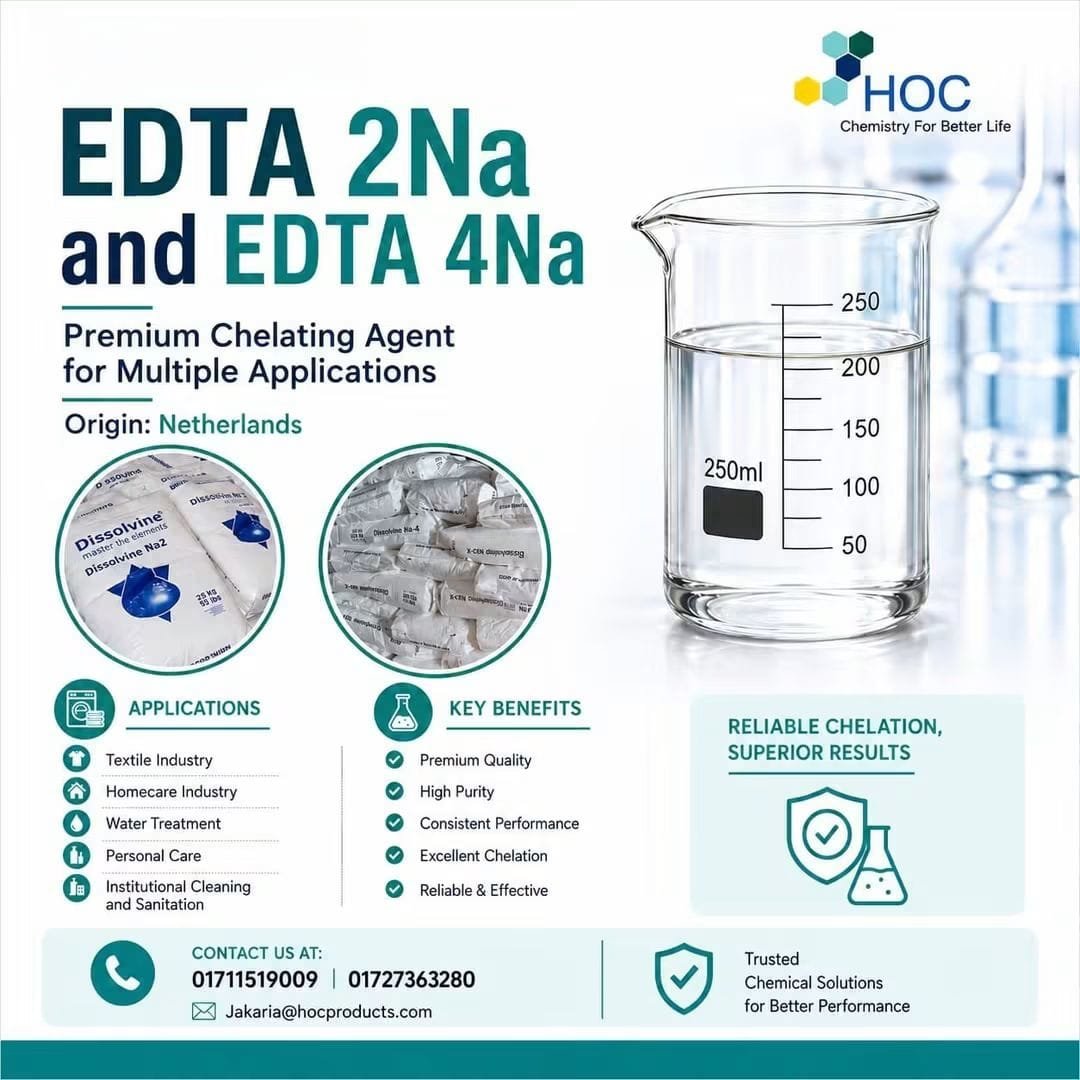
Figure 1.1: Coordination bonding behavior of EDTA-2Na and EDTA-4Na with multivalent ions.
Download InfographicIntroduction to EDTA Chelating Agents
Ethylenediaminetetraacetic acid (EDTA) is a widely used aminopolycarboxylate chelating agent that binds metal ions to form stable coordination complexes. EDTA Disodium (EDTA-2Na) and EDTA Tetrasodium (EDTA-4Na) are important forms of this versatile chemical, extensively used in textile processing, detergent manufacturing, household and industrial cleaning, and personal care formulations. Their primary function is to control unwanted metal ions that can interfere with formulation stability, cleaning efficiency, product appearance and process performance.
Chemistry and Working Mechanism
The chelating activity of EDTA originates from its molecular structure, which contains nitrogen and carboxylate donor groups capable of coordinating with multivalent metal ions such as calcium (Ca²⁺), magnesium (Mg²⁺), iron (Fe³⁺) and copper (Cu²⁺). Through multiple coordination sites, EDTA forms stable metal–EDTA complexes, reducing the availability of free metal ions in the formulation or process medium. This mechanism helps control water hardness, reduce metal-ion interference and limit certain metal-catalyzed oxidation reactions.
EDTA-2Na is the disodium salt of EDTA and is generally less alkaline than EDTA-4Na. It is commonly selected for formulations where moderate pH conditions are required. EDTA-4Na is the tetrasodium salt, offering greater alkalinity and typically better suitability for alkaline cleaning and detergent systems. Although both provide chelation, their solubility, pH contribution and performance depend on the specific grade, concentration and formulation conditions.
Key Applications of EDTA-2Na and EDTA-4Na
1. Detergents and Household Cleaning
EDTA binds calcium and magnesium ions in hard water, helping improve detergent performance and reducing interference from hardness minerals. It can also help limit metal-related deposits and discoloration in suitable cleaning formulations.
2. Textile Processing
In textile pretreatment, bleaching, dyeing and washing, EDTA helps sequester metal ions that may affect peroxide stability, dye behavior, shade reproducibility and process consistency. Effective metal-ion control can support more uniform processing and improved batch-to-batch reliability.
3. Industrial and Institutional Cleaning
EDTA supports metal-ion control in alkaline cleaners and selected industrial cleaning formulations. By reducing the impact of hardness and interfering metal ions, it can help maintain cleaning efficiency under suitable operating conditions.
4. Personal Care and Formulation Stability
EDTA salts are used as chelating agents in compatible personal care products to bind trace metal contaminants that may contribute to oxidation, colour changes or formulation instability. Selection must consider the intended product, pH, regulatory requirements and compatibility with other ingredients.
How to Select the Appropriate Grade
The choice between EDTA-2Na and EDTA-4Na should be based on the target pH, required chelation performance, water solubility, formulation compatibility and process conditions. EDTA-4Na is often considered for alkaline systems, while EDTA-2Na may be preferred when a lower pH contribution is desirable. Neither form should be assumed to be a universal one-to-one replacement for the other. Chelation performance is influenced by metal-ion type, pH, dosage, competing ions and the active content of the supplied grade.
HOC Products Support & Formulation Guidance
HOC Products supports industrial customers with chemical raw materials and application-focused product selection for detergent, textile, cleaning and related formulation industries. For EDTA Disodium and Tetrasodium applications, the appropriate grade and dosage should be established through technical evaluation and formulation trials.
Keywords:
EDTA-2Na, EDTA-4Na, EDTA Disodium, EDTA Tetrasodium, chelating agent, metal ion sequestration, water hardness control, detergent raw materials, textile chemicals, industrial cleaning chemicals, personal care ingredients, HOC Products.