Foam control is an important requirement across textile processing, detergent manufacturing, industrial cleaning, paints, coatings, printing inks, and wastewater treatment to ensure maximum equipment capacity and process efficiency.
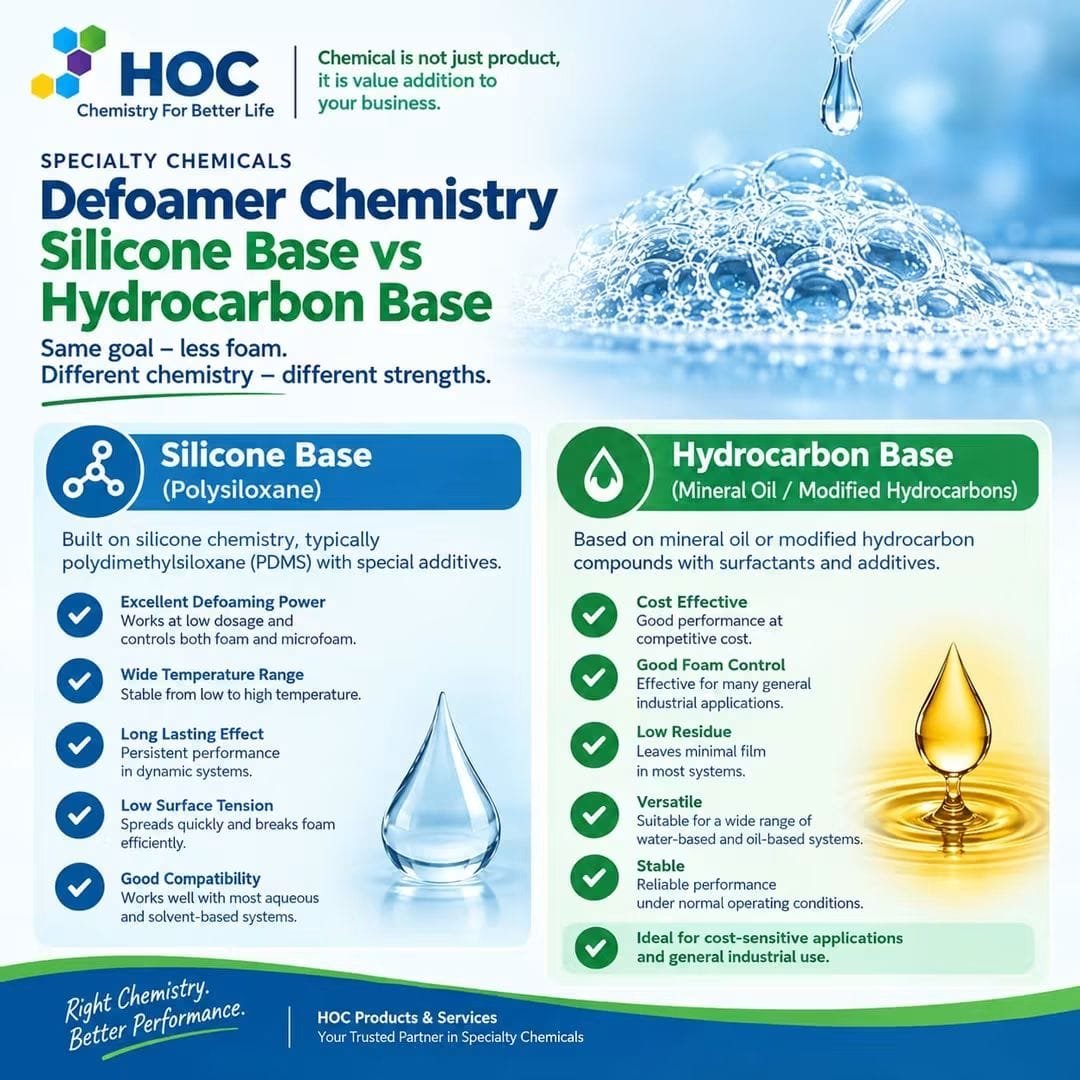
Figure 1.1: Bubble rupture, interfacial spreading, and film thinning mechanisms of foam control agents.
Download InfographicIntroduction to Defoamers and Antifoam Agents
Foam control is an important requirement in textile processing, detergent manufacturing, industrial cleaning, paints, coatings, printing inks and wastewater treatment. Excessive foam can reduce equipment capacity, interfere with pumping and circulation, cause overflow, affect process uniformity and reduce production efficiency. Defoamers and antifoam agents are functional additives designed to destabilize foam, accelerate bubble rupture and prevent excessive foam formation during industrial operations.
Silicone-based and hydrocarbon-based defoamers represent two important chemical technologies for industrial foam control. Their effectiveness depends on the chemistry of the active components, dispersion characteristics, compatibility with the process medium, operating temperature and the type of foam being generated.
1. Silicone-Based Defoamers: Chemistry and Working Mechanism
Silicone-based defoamers typically use polydimethylsiloxane (PDMS) or modified polysiloxanes as their principal active component. The silicone backbone consists of alternating silicon and oxygen atoms, with organic groups—commonly methyl groups—attached to silicon. This molecular structure gives silicone fluids distinctive interfacial properties, including low surface tension and good thermal stability.
Many high-efficiency silicone defoamer compounds combine silicone oil with finely dispersed hydrophobic silica. In aqueous applications, these active components may be formulated as an oil-in-water emulsion using suitable emulsifiers and stabilizers.
Working mechanism: When a silicone defoamer droplet reaches a foam film, it can enter and spread across the air–liquid interface, depending on its interfacial properties. The resulting disruption of the foam film, together with the action of hydrophobic particles in compound formulations, promotes film thinning, dewetting and bubble rupture. This mechanism enables silicone defoamers to provide rapid foam knockdown and effective foam control at relatively low dosages in many systems.
Key advantages of silicone-based defoamers:
- Rapid foam destruction and efficient antifoaming performance.
- High activity at relatively low dosage in suitable formulations.
- Availability in emulsions, concentrates, compounds and specialty dispersions.
- Good thermal stability for many demanding industrial processes.
Important limitation: Silicone deposition may cause craters, fisheyes, poor adhesion or surface defects in certain paints, coatings, printing inks and finishing operations. Excessive dosage or poor dispersion can also create deposits or uneven performance. Therefore, silicone compatibility should be assessed before selection.
2. Hydrocarbon-Based Defoamers: Chemistry and Working Mechanism
Hydrocarbon-based defoamers are generally non-silicone foam-control formulations based on mineral oils, paraffinic hydrocarbons, selected vegetable oils or other suitable hydrophobic organic liquids. Depending on the product design, they may contain hydrophobic particles such as silica, waxes, fatty materials and dispersing agents.
These formulations are engineered to remain sufficiently incompatible with the foaming medium to disrupt foam films while maintaining adequate dispersion for effective application. Their performance depends on the oil composition, viscosity, particle characteristics, emulsification system and compatibility with the process chemicals.
Working mechanism: Hydrocarbon oil droplets interact with the foam film and air–liquid interface. When the droplets enter or spread across the film, they can disrupt its structure and accelerate drainage and rupture. In formulations containing hydrophobic particles, these particles can further promote film destabilization. The overall effect is reduced foam persistence and improved process control.
Hydrocarbon-based defoamers may be preferred in selected coating, ink and textile applications where silicone-related surface defects or contamination must be avoided. However, they are not automatically defect-free: oil deposition, poor compatibility, excessive dosage or inadequate emulsification may also affect surface quality and downstream processing.
Key advantages of hydrocarbon-based defoamers:
- Silicone-free foam-control options for sensitive applications.
- Potential suitability for paints, coatings and printing inks where silicone carryover is undesirable.
- Flexible formulation options using mineral oils, other hydrocarbons and functional additives.
- Useful foam-control performance in selected aqueous and non-aqueous industrial systems.
3. Applications in Textile Auxiliaries
Foam control is essential in textile pretreatment, scouring, bleaching, dyeing, washing and finishing. Excessive foam can interfere with liquor circulation, wetting uniformity, fabric movement and chemical distribution, particularly in high-turbulence jet and overflow dyeing machines.
- Silicone-based textile defoamers: Often selected when rapid foam knockdown and low-dose performance are required. Properly formulated products can support efficient foam control in suitable textile baths.
- Hydrocarbon-based textile defoamers: Can be considered when silicone deposition or spotting is a significant concern, particularly for pale shades, sensitive substrates or processes followed by coating, printing or finishing.
The selection must consider fibre type, dye class, process temperature, pH, electrolyte concentration, surfactant composition and subsequent finishing requirements. A product that performs well in a cotton scouring bath may not be suitable for polyester dyeing or a silicone-sensitive finishing process.
4. Applications in Detergents and Industrial Cleaning
In laundry detergents, institutional cleaning products and industrial cleaners, foam control can improve equipment efficiency and reduce operational problems. Low-foam formulations are especially important in automatic washing systems, floor scrubber-dryers, spray washers and other machine-cleaning applications.
Silicone-based defoamers can provide effective foam suppression in appropriately designed detergent systems. Hydrocarbon-based alternatives may be considered where silicone compatibility is a concern. The selected product must remain stable and effective in the presence of surfactants, builders, salts, alkalis and other formulation ingredients.
It is important to distinguish foam control from cleaning performance. A defoamer manages unwanted foam; it does not replace the wetting, emulsification or detergency functions of the surfactant system. The objective is to control excessive foam without unnecessarily reducing soil removal or creating residues.
5. Applications in Paints, Coatings and Printing Inks
Foam and entrained air can cause pinholes, craters, poor film appearance and uneven coating thickness. In water-based and solvent-based coatings, defoamers help release entrapped air and destabilize surface foam during manufacturing and application.
Hydrocarbon-based, non-silicone defoamers are frequently considered where silicone contamination may affect substrate wetting, recoating, adhesion or surface appearance. Silicone-based products can also be effective in selected coating systems, but their compatibility must be carefully evaluated because a highly active defoamer may introduce surface defects if poorly matched to the resin and application method.
For printing inks, selection should consider binder chemistry, pigment dispersion, viscosity, printing speed, substrate wetting and downstream lamination or coating requirements. Laboratory testing is necessary to confirm that foam reduction does not compromise print quality or film properties.
6. Silicone vs. Hydrocarbon Defoamers: How to Select
The appropriate defoamer should be selected according to the application rather than chemistry alone:
- Choose a silicone-based defoamer when rapid foam knockdown, high activity and low-dose performance are priorities and the system tolerates silicone.
- Consider a hydrocarbon-based defoamer when a non-silicone option is preferred, particularly for silicone-sensitive coating, ink or textile applications.
- Evaluate both types when process conditions are complex or the cost–performance balance is uncertain.
Key evaluation parameters include initial foam knockdown, persistent foam suppression, dispersion stability, dosage efficiency, temperature tolerance, surface appearance, residue formation and compatibility with the complete formulation. A controlled laboratory trial followed by a production-scale evaluation is the most reliable basis for selection.
HOC Products: Application-Focused Foam-Control Solutions
HOC Products supports industrial customers with specialty chemical raw materials and application-focused product selection for textile auxiliaries, detergents, industrial cleaning, paints, coatings and related industries. The right defoamer is not simply the product that destroys foam fastest; it is the product that delivers reliable foam control without compromising the final application.